
The Real Story Behind How Plenser Limited Started
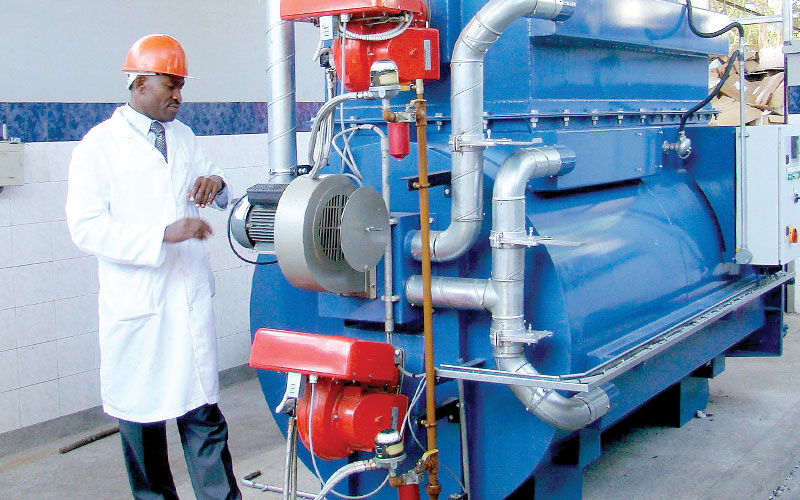
In 1996, if you had told a recently unemployed hotel cashier that he would one day be supplying advanced incinerators and engineering systems across East Africa, he might have politely asked you to lower your expectations.
But life, as it turns out, has a sense of humor.
This is the story of how Plenser Limited was born, not out of a boardroom strategy session, not from a wealthy investor’s seed fund but, from necessity, courage and a willingness to learn what a boiler actually does.
When One Door Closes… You Start Hawking
Before he became CEO, Moses Kamau was a cashier at reputable hotels including Serena Hotels and Laico Regency Hotel.
Then came 1996. Job gone. Future unclear. Engineering knowledge? Approximately zero.
Like many Kenyans faced with sudden career detours, Moses did what needed to be done. He adapted. He hustled. He became a hawker in Nairobi, navigating the streets with determination and, most likely, very comfortable shoes.
And then came the plot twist.
The Boiler Conversation That Changed Everything
One day, he ran into a former classmate. You know the kind of meeting “What are you doing these days?” except this time the answer would quietly rewrite a future.
The classmate proposed starting a business in repair and maintenance of steam and hot water boilers.
Now, to be clear: Moses had never met a boiler in his life. If boilers had personalities, they would not have recognized him either.
But here’s where the magic happened.
His friend handled the technical engineering. Moses handled marketing. He learned just enough to confidently explain the essentials to clients, while the deeper technical questions were directed to the expert.
It was partnership in its purest form.
And from that collaboration, the name Plesner Limited (coined from Plant Engineering Services) was born, a flexible name that would later evolve into what we now know as Plenser Limited.
Starting With Sh9,400 and a Landline You Don’t Own
Today’s startups talk about burn rate and valuation. Back then? The burn rate was literal printing invoices and business cards.
They started with Sh9,400.
No office.
No receptionist.
No company-branded mug.
Operations were run from a friend’s house, because the house had something very important:
A landline.
And since mobile phones were luxury items in the 90s, missing a call could mean missing a contract. Sometimes they did. It hurt. But they kept going.
They even hired the house help as an assistant. Talk about lean operations.
The Struggle for Acceptance
One of the toughest early challenges wasn’t money. It was credibility.
The company had no “face.” No track record. No giant signboard outside an industrial park. Convincing institutions to trust a new engineering company required persistence and a lot of walking into offices with confidence.
After about a year of proving reliability and investing heavily in marketing, they secured high-level clients including Aga Khan University Hospital and Nairobi Hospital.
That was the moment the industry began to pay attention.
The Turning Point: When Regulation Met Opportunity
In 2006, the National Environment Management Authority (NEMA) introduced stricter regulations requiring incinerators to operate without emitting harmful smoke.
Some saw a headache. Plenser saw opportunity.
Instead of resisting the change, they aligned with it. They partnered with Matthews Environmental Solutions Limited from the UK, bringing compliant, high-quality incineration solutions to the African market.
This wasn’t just business expansion. It was positioning.
Demystifying Cremation — With Dignity
One of Plenser’s most impactful contributions has been supplying human cremators and medical waste incinerators.
Cremation in Kenya has historically been misunderstood, sometimes culturally sensitive, and often surrounded by assumptions. But as urban spaces shrink and burial land becomes scarce, the need for dignified alternatives has grown.
The mission wasn’t about controversy. It was about dignity.
Providing systems that ensure remains are handled respectfully and ashes returned properly, that’s engineering serving humanity.
And on the medical side, proper disposal of biomedical waste is not optional. It is essential for public health and environmental protection. That’s where engineering meets responsibility.
Recognition and Growth
In 2013, Plenser entered the KPMG Top 100 SMEs Survey and emerged fourth in Kenya.
The evaluation looked at growth potential, management systems, sustainability and financial discipline, all the things that separate survival from scalability.
From operating out of a borrowed house phone to ranking among Kenya’s top SMEs? That’s not luck. That’s structure meeting persistence.
Today, Plenser Limited stands as a reminder that sometimes the end of one job is not a fall. It’s takeoff. And sometimes, the boilers you once knew nothing about become the engines that power your legacy.