
Why Boilers Are the Backbone of Modern Industry
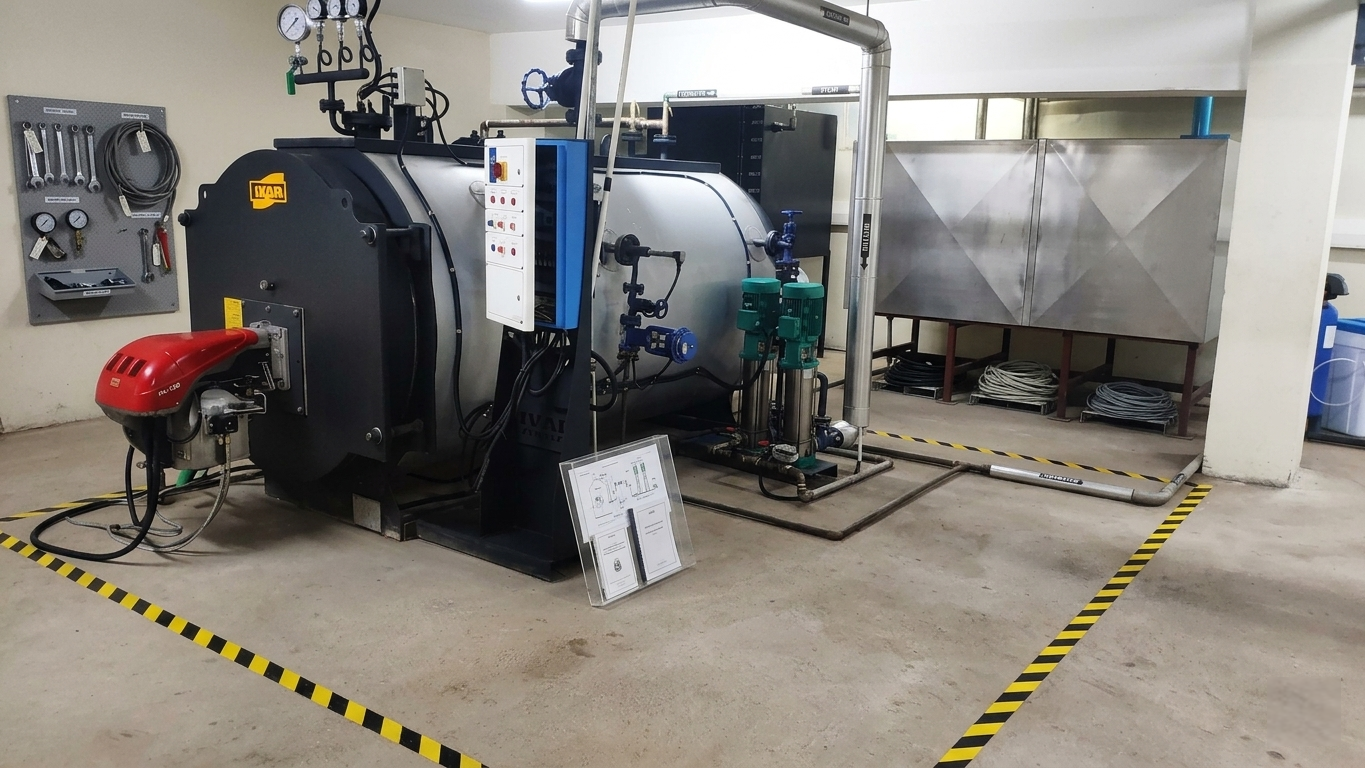
Across Kenya and the wider East African region, industries are evolving rapidly demanding higher efficiency, better energy management and reliable operational systems. At the center of many of these operations lies a critical yet often overlooked component: the industrial boiler.
Whether in hospitals requiring sterilization, hotels needing continuous hot water or manufacturing plants running high-temperature processes, boilers are essential for ensuring smooth, uninterrupted operations. However, not all boilers are created equal. The difference between a poorly designed system and a high-performance one can significantly impact fuel costs, productivity and long-term sustainability.
This is where Plenser Limited steps in offering engineered boiler solutions that combine efficiency, durability and cost-effectiveness, tailored for real-world African conditions.
Understanding Industrial Boilers: More Than Just Heat Generation
At its core, an industrial boiler is designed to convert water into either hot water or steam through controlled heating. While this may sound straightforward, the engineering behind modern boilers is far more sophisticated.
A well-designed boiler must balance multiple factors: heat transfer efficiency, fuel consumption, pressure control, safety mechanisms and durability. In industries where operations run continuously, even minor inefficiencies can lead to significant losses over time.
Plenser’s boiler systems are built with this understanding at the forefront, ensuring that every unit delivers consistent performance while minimizing energy waste.
Plenser Hot Water Boilers (Talia): Reliable Heating for Everyday Operations
The Talia Hot Water Boiler is designed for facilities that depend on a steady and reliable supply of heated water. From hospitals and schools to hospitality establishments, the demand for consistent hot water is both critical and non-negotiable.
What sets the Talia system apart is its ability to deliver large volumes of hot water efficiently, with capacities ranging from 500kg/hr to 2500kg/hr. This makes it suitable for both medium-scale operations and larger institutions with high daily demand.
Operating at near-atmospheric pressure, the system prioritizes safety while maintaining optimal performance. Its temperature range of 95°C to 105°C ensures water is heated to levels suitable for sanitation, cleaning and general operational use without excessive energy consumption.
The result is a system that delivers reliability day in, day out without unnecessary complexity or high operational costs.
Plenser Steam Boilers (Klarence): Powering Industrial Performance
For industries that rely on steam. whether for processing, sterilization or power generation, the Klarence Steam Boiler provides a robust and high-capacity solution.
Steam is a powerful energy carrier, but generating it efficiently requires precision engineering. The Klarence model rises to this challenge by offering capacities ranging from 500kg/hr to 3000kg/hr of steam, making it suitable for everything from small production lines to large industrial operations.
Operating at pressures between 8 and 10 bars, with a design tolerance of up to 15 bars, the system is built for demanding environments where consistency and performance are critical.
Temperature ranges of 140°C to 180°C allow for high-energy steam generation, enabling efficient processing across multiple industries, including manufacturing, food processing and chemical production.
In practical terms, this means faster processes, improved productivity and reduced downtime, key factors for any growing business.
The Advantage of 3-Pass Boiler Design
One of the defining features of Plenser boilers is their 3-pass design, a critical element that significantly enhances performance.
In a 3-pass system, heat generated from combustion passes through the boiler multiple times before exiting. This extended heat path ensures that more thermal energy is absorbed by the water, rather than being lost through exhaust gases.
The result is a system that:
- Maximizes heat utilization
- Reduces fuel consumption
- Improves overall efficiency
For businesses, this translates into lower operational costs and a more sustainable energy footprint, an increasingly important factor in today’s regulatory and environmental landscape.
Why Wood-Fired Boilers Make Economic and Environmental Sense
In a region where fuel costs can fluctuate and access to energy varies, wood-fired boilers present a practical and cost-effective solution.
Plenser’s boilers are designed to operate on wood fuel, offering a reliable alternative to more expensive fossil fuels. For many businesses, especially those in agriculture or rural settings, biomass fuel is readily available and significantly more affordable.
Beyond cost savings, wood-fired systems also contribute to reduced reliance on non-renewable energy sources. When managed responsibly, biomass fuel can be a more sustainable option, aligning with global trends toward greener industrial practices.
Choosing the Right Boiler: What Businesses Need to Consider
Selecting the right boiler is not just about capacity, it’s about understanding operational needs and matching them with the right system.
Facilities that require continuous hot water, such as hotels or hospitals, benefit from systems like the Talia boiler, which prioritizes safety and consistency. On the other hand, industries that rely on high-pressure steam must invest in systems like the Klarence boiler, which is engineered for performance under demanding conditions.
Capacity is another key consideration. Smaller operations may function efficiently with lower-capacity systems, while large-scale industries require higher throughput to maintain productivity.
Ultimately, the right choice is one that balances performance, cost and long-term operational efficiency.
Efficiency, Cost Savings and Long-Term Value
In industrial operations, efficiency is directly tied to profitability. Every unit of fuel saved translates into reduced operational costs over time.
Plenser boilers are designed with this principle in mind. By optimizing heat transfer, minimizing energy loss and ensuring consistent performance, these systems help businesses achieve long-term savings without compromising on output.
Additionally, their robust construction ensures durability, reducing the need for frequent repairs or replacements, a critical advantage in demanding industrial environments.
End-to-End Support
What truly sets Plenser Limited apart is its commitment to providing more than just equipment. Every boiler system is backed by comprehensive support, from initial consultation and system design to installation, training and ongoing maintenance.
This holistic approach ensures that clients not only receive the right system but also have the support needed to operate it effectively over time. With dedicated technical teams and readily available spare parts, Plenser guarantees reliability long after installation.
A Smarter Approach to Industrial Heating
As industries across Kenya continue to grow and modernize, the demand for efficient and reliable heating solutions will only increase. Businesses can no longer afford to rely on outdated or inefficient systems that drive up costs and reduce productivity.
Plenser Limited’s boiler solutions represent a smarter, more sustainable approach combining engineering excellence with practical, real-world application. Whether it’s hot water for daily operations or high-pressure steam for industrial processes, Plenser delivers systems designed to perform, endure and add value.
For organizations looking to invest in long-term efficiency and reliability, the choice is clear: engineered solutions that work as hard as you do.
Industrial boilers Kenya, steam boiler Kenya, hot water boiler Kenya, wood fired boilers East Africa, industrial heating systems Kenya, boiler suppliers Kenya, steam generation systems, Plenser boilers, Klarence, Klarence steam boiler, Talia, Talia hot water boiler, high-capacity boilers Kenya