
What Is Waste Incineration? A Complete Guide to How Modern Waste Incinerators Work
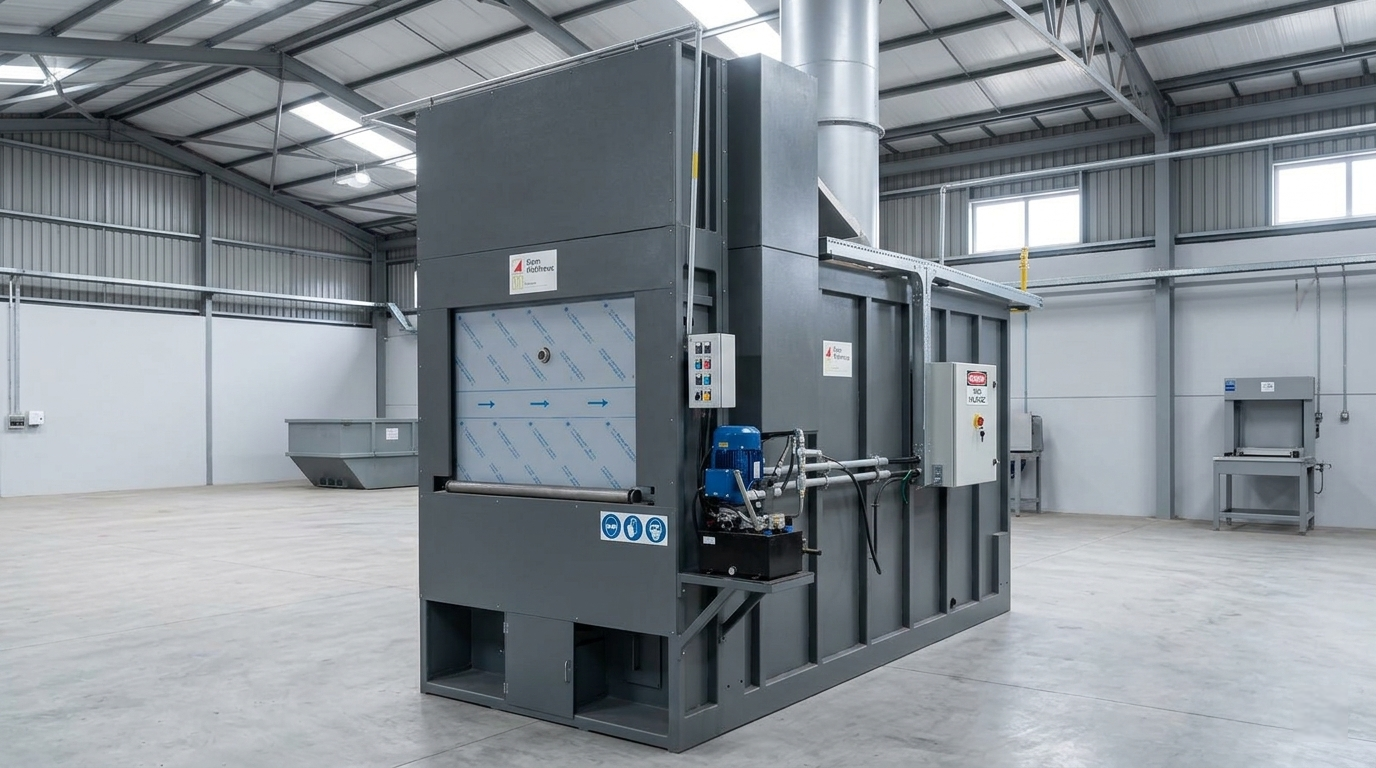
What Is Waste Incineration?
Waste is an unavoidable part of modern life.
Hospitals generate infectious waste. Manufacturing facilities generate industrial waste. Institutions produce general and potentially hazardous waste. Municipalities deal with increasingly complex waste streams every day.
The challenge is not simply collecting this waste.
The bigger question is:
What happens after the waste has been collected?
Waste incineration is one technology used to treat certain waste streams through controlled high-temperature combustion.
In simple terms, waste incineration is a high-temperature treatment process in which waste is oxidised under controlled conditions, converting combustible materials into gases, heat and ash.
The objective is not simply to “burn rubbish.”
A properly designed incineration system is an engineered process involving:
- Controlled combustion
- Temperature management
- Air management
- Secondary combustion
- Flue-gas treatment
- Emission monitoring
- Ash management
- Controlled cooling and shutdown
The Plenser Waste Management ESIA describes incineration as a high-temperature heat-treatment technique in which excess air is used to oxidise waste. It explains that harmful substances can be broken down through high-temperature oxidation and pyrolysis, with the process intended to support the reduction and treatment of hazardous waste.
Understanding this distinction is important when evaluating an incinerator.
How Does a Waste Incinerator Work?
Although designs vary depending on the application, a modern waste incineration process can generally be understood as a series of connected stages.
1. Waste is received and prepared
The first step is receiving the waste.
Depending on the facility and waste stream, waste may need to be:
- Identified
- Segregated
- Weighed
- Sorted
- Temporarily stored
- Prepared for charging into the combustion chamber
This stage matters because not every material should automatically be placed inside an incinerator.
The Plenser ESIA specifically identifies screening incoming waste as an important measure, including avoiding the incineration of non-combustible materials such as batteries that could introduce additional pollutants.
Good waste management therefore begins before the incinerator.
2. Waste enters the primary combustion chamber
The waste is introduced into the primary chamber.
This is where the initial combustion of solid waste takes place.
The primary chamber needs to maintain controlled combustion conditions rather than uncontrolled burning.
In the PF200 system described in the ESIA, the primary combustion chamber is constructed from mild steel plate, supported by structural steel sections and lined with insulation and refractory material. Waste is manually charged through the main loading door.
Combustion air is introduced through air ducts to provide the oxygen necessary for combustion.
The objective is to achieve effective combustion while controlling the formation and movement of pollutants.
3. Temperature and airflow are controlled
Temperature is one of the most important variables in an incineration process.
If combustion conditions are poorly controlled, incomplete combustion can occur.
That is why engineered systems use temperature monitoring and controlled airflow.
The PF200 design includes temperature indication for both primary and secondary chambers, with a control system used to monitor and regulate operating conditions.
The ESIA also explains that airflow is controlled to create appropriate conditions for combustion and emissions control.
This is one of the fundamental differences between a controlled incinerator and open burning.
4. Combustion gases move into the secondary chamber
Combustion does not end in the primary chamber.
The gases generated during the initial combustion process are transferred to a secondary chamber.
The purpose of the secondary chamber is to provide additional heat and oxygen to promote combustion of gaseous-phase combustion products.
For the PF200, the secondary chamber is designed to retain gases for at least two seconds at elevated temperature. The technical specifications identify a primary chamber temperature of approximately 1,050°C and a secondary chamber temperature of approximately 1,100°C.
The secondary chamber therefore plays a critical role in completing combustion.
Why Are Two Chambers Important?
One of the most important questions people ask about waste incinerators is:
Why not simply have one chamber?
A two-stage combustion arrangement allows the process to separately manage the initial combustion of solid waste and the subsequent treatment of combustion gases.
The ESIA explains that the secondary chamber is intended to minimise and destroy partial products of combustion and support further oxidation of gaseous combustion products. Additional air and heat are introduced to create appropriate combustion conditions.
The process therefore involves more than simply exposing waste to fire.
It involves controlling:
Temperature + oxygen + time + gas movement
to achieve better combustion conditions.
What Happens to the Waste?
At the end of combustion, the original waste stream has been transformed.
The process generates:
- Bottom ash
- Flue gases
- Heat
- Residual materials from air-pollution-control processes
The PF200 specifications in the ESIA estimate ash residue at approximately 5–10%, although actual residue depends on the composition and characteristics of the waste being treated.
This is an important distinction.
Incineration does not mean that waste disappears completely.
Instead, it substantially changes the form and quantity of the waste.
Can Waste Incineration Reduce Waste Volume?
Yes.
One of the major reasons for considering incineration is waste-volume reduction.
The Plenser Waste Management ESIA identifies significant waste-volume reduction as one of the key justifications for incineration because reducing bulky waste can reduce the demand for landfill space.
The exact reduction depends on:
- Waste composition
- Moisture content
- Organic content
- Non-combustible materials
- Operating conditions
- Incinerator design
Therefore, waste-volume reduction should not be interpreted as a universal percentage applicable to every waste stream.
What Happens to the Smoke and Flue Gas?
This is one of the most important parts of modern incineration.
Combustion generates flue gases.
These gases can contain pollutants including:
- Particulate matter
- Acid gases
- Nitrogen oxides
- Carbon monoxide
- Volatile organic compounds
- Heavy metals
- Other combustion-related pollutants
The Plenser ESIA explicitly identifies pollutant emissions as one of the potential environmental concerns associated with incineration and highlights the importance of modern flue-gas and dust-cleaning systems.
This is why air-pollution control is an integral part of the incinerator system.
What Is an Air Pollution Control System?
An Air Pollution Control Device, or APCD, is designed to reduce pollutants in exhaust gases before they are released.
Different technologies can be used depending on the pollutants being targeted.
These can include:
- Wet scrubbers
- Bag filters
- Electrostatic precipitators
- Activated carbon systems
- Other filtration and gas-treatment technologies
The PF200 design described in the ESIA incorporates a wet scrubber.
A wet scrubber brings exhaust gases into contact with liquid droplets. The process can capture particulate matter and absorb certain gaseous pollutants.
The ESIA explains that water is sprayed into the flue-gas stream, allowing soluble gases and particulates to be collected in the scrubber system.
What Happens to Ash After Incineration?
Ash management is just as important as combustion.
The ESIA identifies fly ash and bottom ash management as important environmental considerations because ash can contain pollutants and heavy metals and therefore requires appropriate handling.
For the proposed Plenser facility, ash pits were included in the facility design. The ESIA describes provisions for ash storage and subsequent reuse or disposal through appropriate waste-management channels.
This demonstrates an important principle:
A waste treatment facility must consider the entire waste-treatment chain, not only the combustion stage.
Is Waste Incineration the Same as Open Burning?
No.
Open burning is generally uncontrolled.
An engineered waste incinerator is designed around controlled operating parameters such as:
- Temperature
- Air supply
- Residence time
- Combustion conditions
- Flue-gas treatment
- Ash handling
- Monitoring
The Plenser ESIA specifically identifies uncontrolled disposal and open burning as concerns and presents controlled incineration as one potential treatment approach for appropriate waste streams.
Who Can Benefit From Waste Incineration?
Waste incineration can be considered for a range of organisations dealing with appropriate combustible waste streams.
Potential users include:
Healthcare facilities
Hospitals and healthcare facilities can generate infectious and biomedical waste that requires controlled treatment.
Manufacturing companies
Industrial facilities may generate waste streams requiring specialised treatment rather than ordinary disposal.
Research institutions
Laboratories and research centres can generate specialised waste that requires careful handling.
Educational institutions
Schools, colleges and universities can generate general and specialised waste streams depending on their facilities.
Government institutions
Government agencies and public institutions may require structured waste-treatment systems.
Municipal and waste-management operators
Waste-management organisations can use appropriate incineration systems as part of a broader waste-treatment strategy.
The Plenser ESIA identifies hospitals, manufacturers, schools, colleges, research centres, refugee camps, security agencies, government institutions, municipalities and NGOs among potential markets for waste-management services.
Is Incineration the Only Waste Management Solution?
No.
This is an important point.
Responsible waste management should not automatically mean “incinerate everything.”
Waste management should consider:
- Waste prevention
- Waste minimisation
- Reuse
- Recycling
- Appropriate treatment
- Safe final disposal
The Plenser ESIA itself acknowledges the importance of recycling and notes concerns about diverting attention from more sustainable waste-reduction and product-design solutions.
This means incineration should be viewed as one component within an integrated waste-management system, particularly for waste streams that are suitable for thermal treatment.
The Future of Waste Management Requires Better Technology
As waste streams become more complex, waste management needs to move beyond collection and dumping.
Modern facilities increasingly need to consider:
- Waste segregation
- Controlled treatment
- Combustion efficiency
- Air-pollution control
- Ash management
- Monitoring
- Recycling
- Resource recovery
- Environmental compliance
The proposed Plenser system illustrates this approach through the combination of controlled combustion, secondary treatment, temperature monitoring, flue-gas treatment and ash-management provisions.
Frequently Asked Questions About Waste Incineration
What is waste incineration?
Waste incineration is a controlled high-temperature treatment process that oxidises combustible waste and converts it into gases, heat and ash.
Is incineration better than open burning?
A properly engineered and operated incinerator provides substantially greater control over combustion conditions and emissions than uncontrolled open burning.
What temperature does a waste incinerator operate at?
Operating temperatures depend on the design and waste stream. The PF200 technical specifications identify approximately 1,050°C in the primary chamber and 1,100°C in the secondary chamber.
Does an incinerator eliminate waste completely?
No. Incineration reduces and transforms waste but leaves ash and produces flue gases that require appropriate treatment and management.
What is a wet scrubber?
A wet scrubber is an air-pollution-control system that uses liquid droplets to capture particulate matter and absorb certain gaseous pollutants from exhaust gases.
Can hospitals use waste incinerators?
Appropriately designed incineration systems can be used to treat suitable healthcare and biomedical waste streams, subject to applicable requirements and proper operation.
Is waste incineration environmentally friendly?
The environmental performance of an incinerator depends heavily on its design, operating conditions, emissions-control technology, waste feed and management of residual ash.
Waste incineration is much more than burning waste.
A modern incineration system is an engineered thermal-treatment facility where waste is introduced into controlled combustion conditions, gases receive further treatment in a secondary chamber, emissions are managed through air-pollution-control systems and residual ash is handled through controlled procedures.
The technology can play an important role in managing appropriate hazardous, biomedical, industrial and other combustible waste streams.
But the strongest waste-management strategy is not based on one technology alone.
Segregation, minimization, recycling, treatment, pollution control and responsible final disposal all have a role to play.
For organizations looking for engineered waste-treatment solutions, Plenser Waste Management provides a platform for exploring incineration technologies designed around controlled combustion and environmental management.